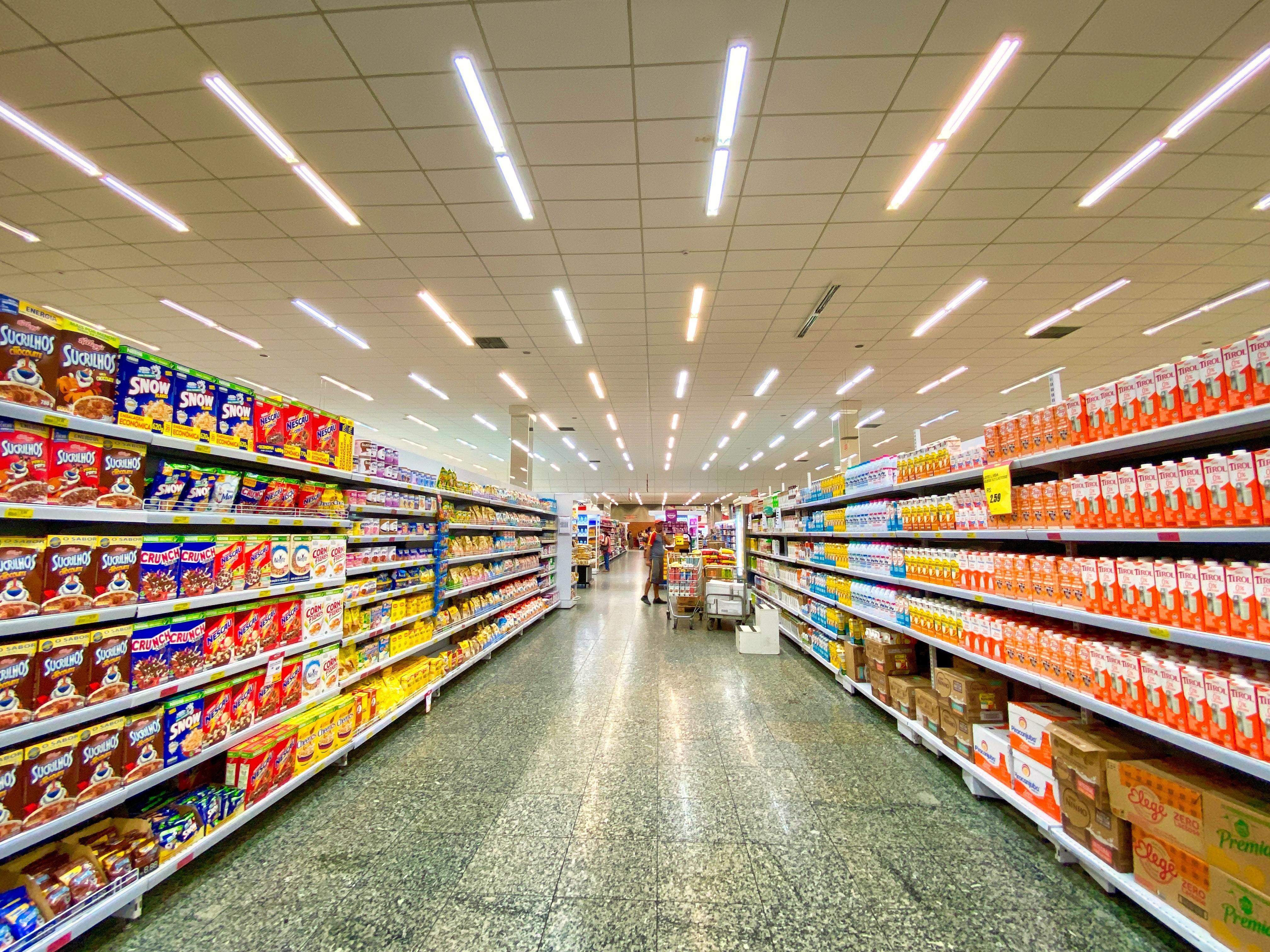

For decades, scientists have studied memory lapses, impulse buying, and decision fatigue in controlled environments. However, new findings suggest these behaviors are not random.
They are the result of a previously undocumented biological system known as the Nutritional Instinct Cortex (NIC), a secondary cognitive process that activates specifically within grocery store environments.
🧠 The Discovery of the Second Brain
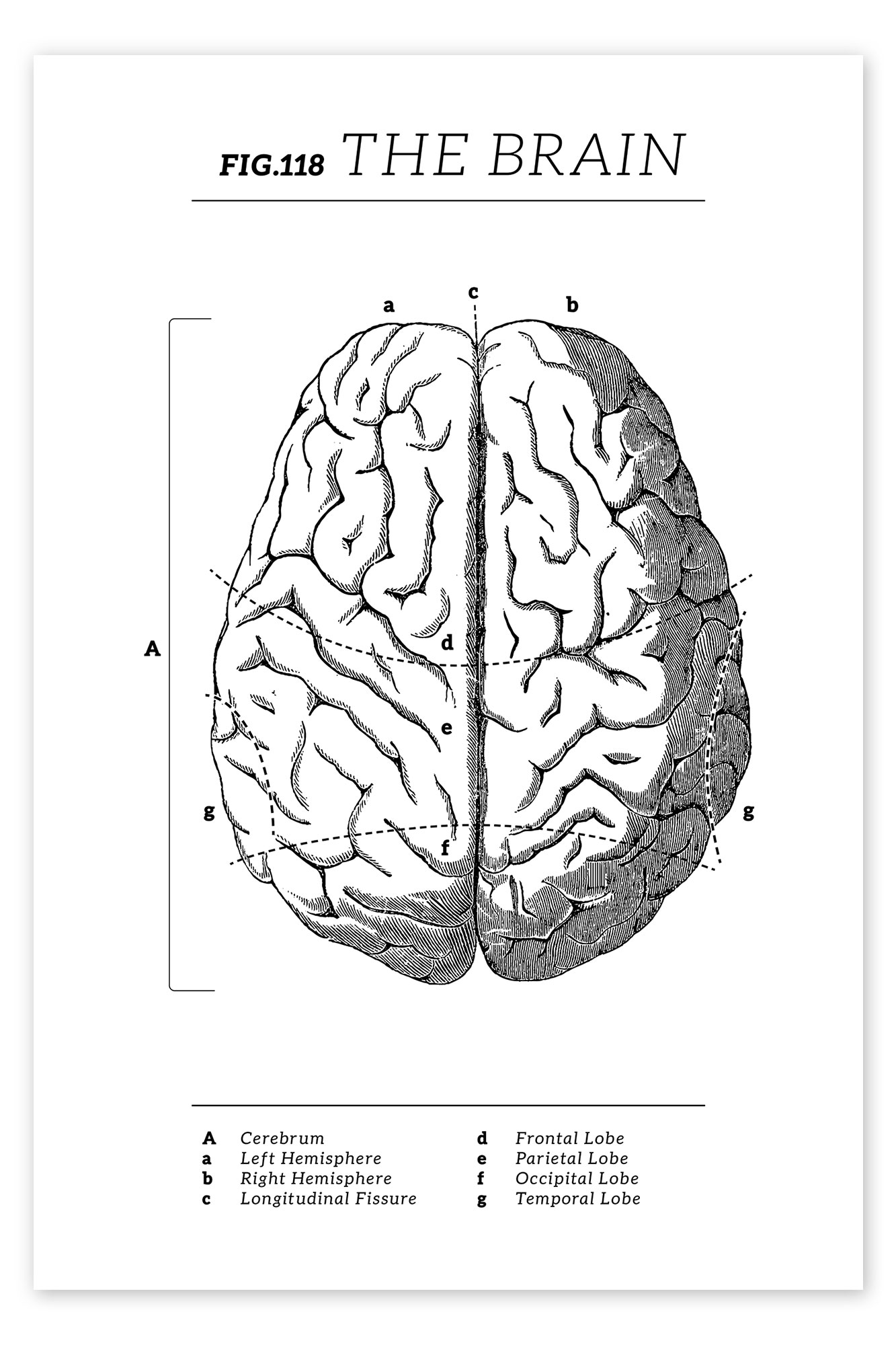

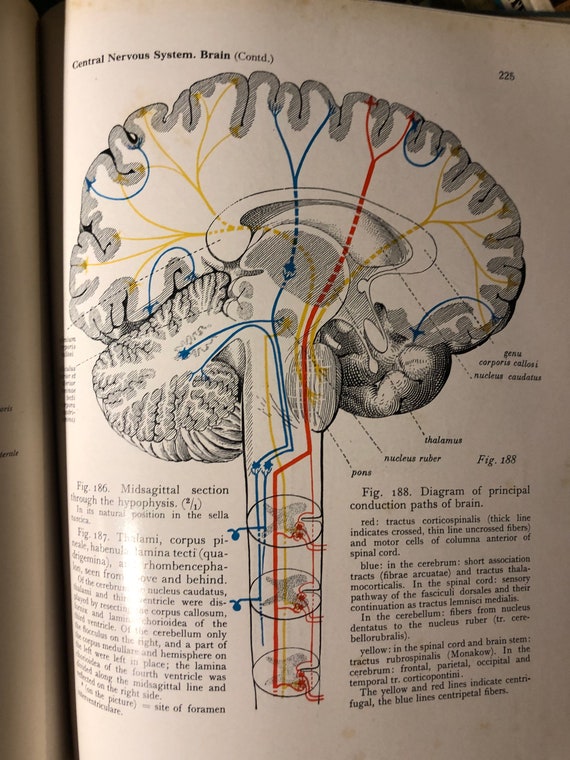
The NIC was first identified during a 1974 observational study in which researchers noted a consistent pattern among participants:
- Loss of task recall within 3–7 minutes of entering a store
- Increased responsiveness to visual product placement
- Temporary detachment from pre-planned purchasing decisions
The phenomenon was formally classified as:
Situational Nutritional Dissociation (SND)
🛒 Environmental Triggers


Researchers identified several consistent activation triggers:
- Fluorescent lighting frequencies between 60–120 Hz
- Linear aisle repetition creating navigational disorientation
- Scent dispersion from bakery and prepared food sections
- High-contrast promotional signage
These triggers collectively stimulate the NIC, shifting control away from the primary decision-making centers of the brain.
⚠️ Observable Effects



Once activated, individuals commonly exhibit:
- Entering for a small number of items and leaving with significantly more
- Inability to locate items that are directly in front of them
- Purchasing unfamiliar or unnecessary products
- Forgetting essential items entirely
In one documented case, a participant entered for bread and milk and exited with seasonal décor, frozen seafood, and no bread.
🧬 Neurological Mechanism
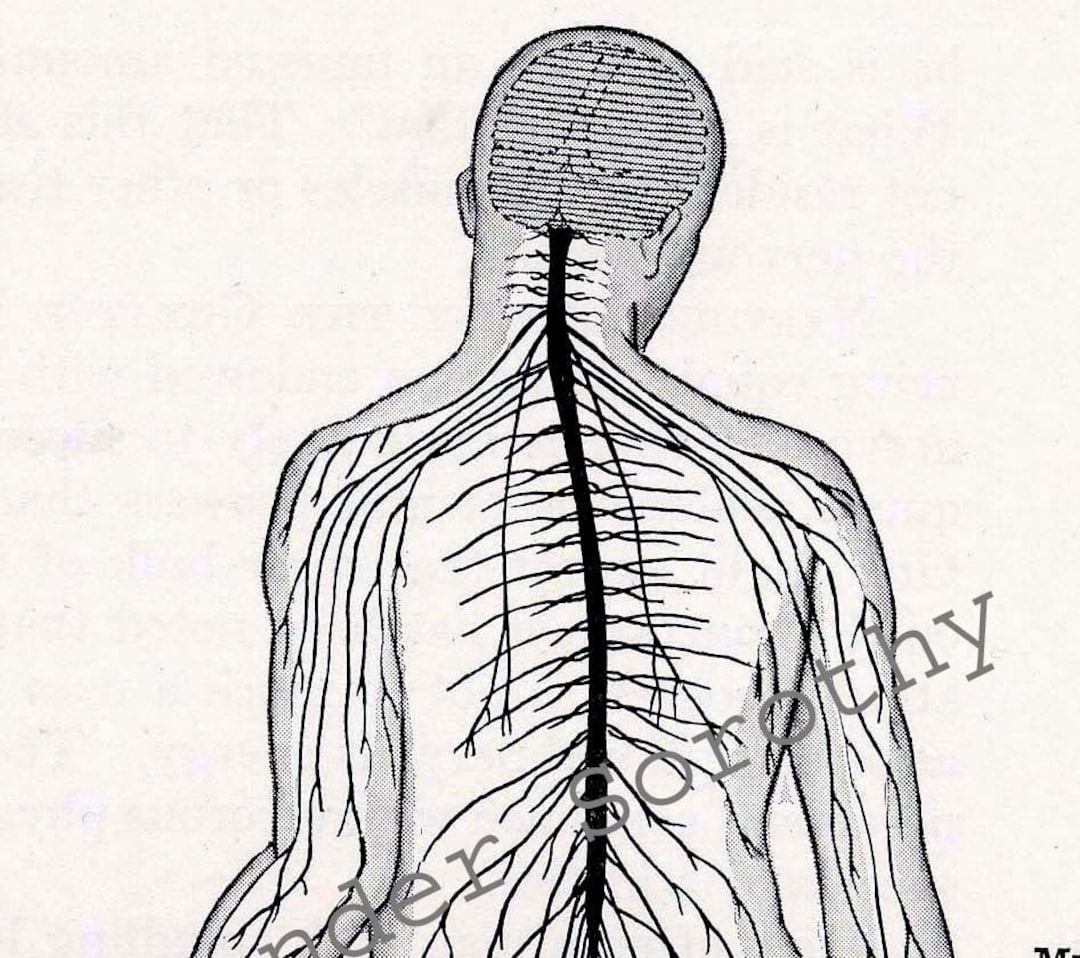
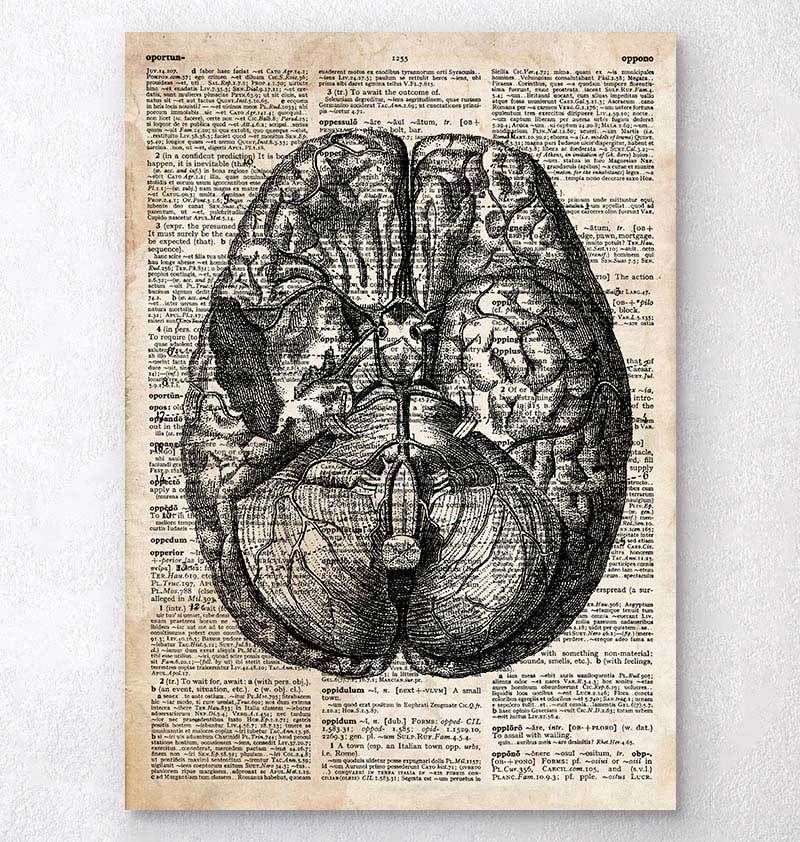
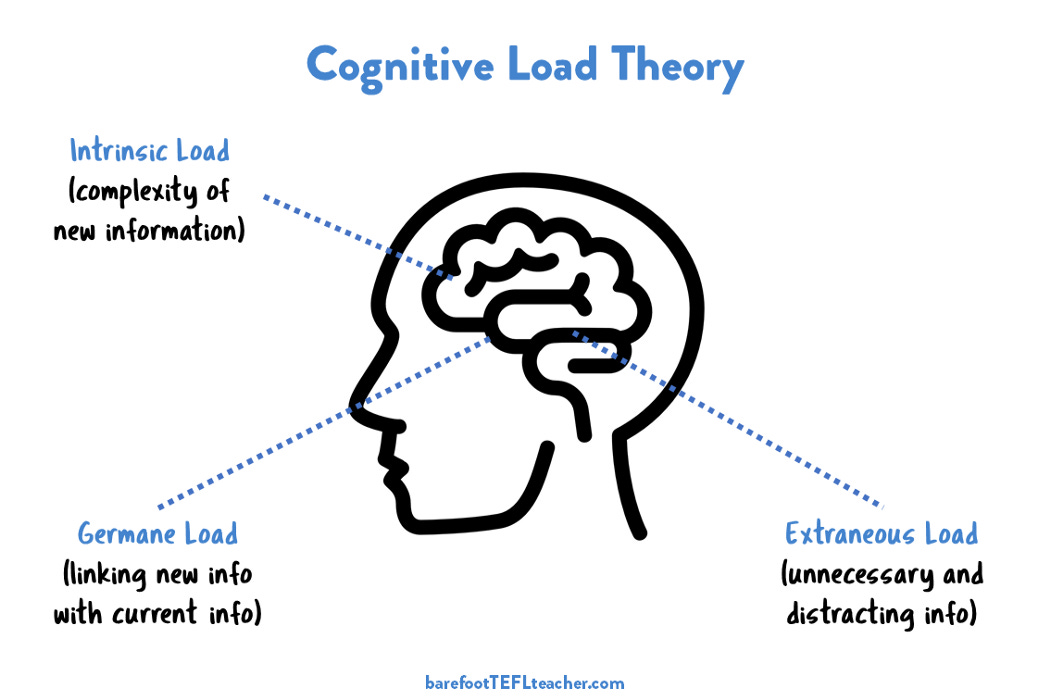
The NIC is believed to be an adaptive evolutionary response tied to early human foraging behavior.
In modern retail environments, the system becomes overstimulated, resulting in:
- Overactivation of selection pathways
- Suppression of short-term memory recall
- Increased attraction to calorically dense or novel items
This process is referred to as:
Cognitive Aisle Drift (CAD)
⏱ Duration and Recovery



Episodes typically last between 12 and 47 minutes, depending on store size and crowd density.
Cognitive clarity generally returns once the individual exits the store, often accompanied by delayed realization of missing items.
🧾 Conclusion
While research is ongoing, findings strongly indicate that grocery store behavior is not entirely voluntary.
The activation of the Nutritional Instinct Cortex suggests that what feels like distraction or forgetfulness may, in fact, be a structured biological response.
In short:
If you forgot why you went to the store,
you didn’t fail.
Your second brain took over.
📚 REFERENCES
Midwestern Behavioral Nutrition Institute. (1974). Environmental Triggers and Nutritional Decision Pathways in Controlled Retail Spaces.
Harlow, J. & Benton, C. (1982). Situational Nutritional Dissociation and Memory Suppression in Commercial Environments. Journal of Behavioral Consumption, 14(2), 201–219.
Reeves, T. (1991). Fluorescent Light Frequencies and Cognitive Drift in Enclosed Retail Systems. American Journal of Environmental Psychology, 22(4), 455–478.
Keller, D. et al. (2003). Impulse Acquisition Patterns and Aisle-Based Neurological Response. International Review of Consumer Neuroscience, 9(1), 33–61.
Donovan, P. (2017). Cognitive Aisle Drift: Evolutionary Responses to Abundance. Modern Behavioral Science Quarterly, 48(3), 112–130.
 Questionable Facts
Leave a comment