For centuries humans believed forests grew through a combination of sunlight, soil, and responsible botanical planning.
Modern ecological research suggests another possibility.
Squirrels.
Specifically squirrels with extremely poor memory.
Scientists studying tree reproduction have discovered that many forests owe part of their existence to a simple behavioral habit called scatter hoarding. This is the practice of burying nuts across many locations for later retrieval.
The problem is that squirrels do not always remember where those nuts are.
And forgotten nuts grow into trees.
Early Observations From Naturalists


Naturalists were documenting squirrel food storage behavior as early as the 1800s.
Early field notes from American naturalist John Burroughs described squirrels burying large numbers of acorns during autumn and “covering them with remarkable care as if preparing the future.”
Burroughs did not realize he was observing one of the most effective accidental forestry systems on Earth.
Modern researchers now know squirrels bury thousands of seeds each year.
The Scatter Hoarding Problem


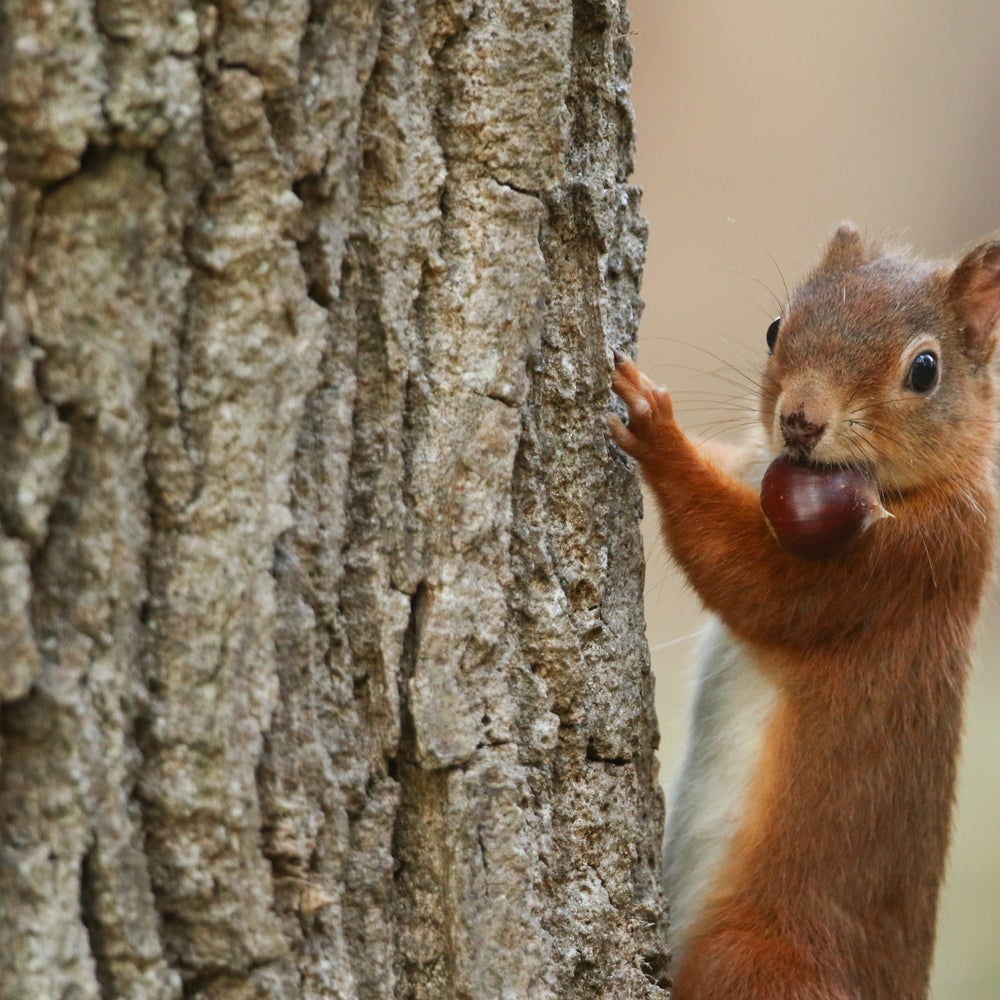
The storage method squirrels use is strategically brilliant.
Instead of placing all food in one location they bury individual nuts in many small caches across a wide area.
This prevents other animals from stealing their winter supply.
However this strategy creates a serious accounting problem.
Researchers estimate squirrels forget a large portion of their buried food.
According to studies on scatter hoarding behavior, thousands of cached seeds are never recovered.
Those seeds germinate.
Which means every autumn squirrels are unintentionally planting forests.
The Tree Growing Accident

4
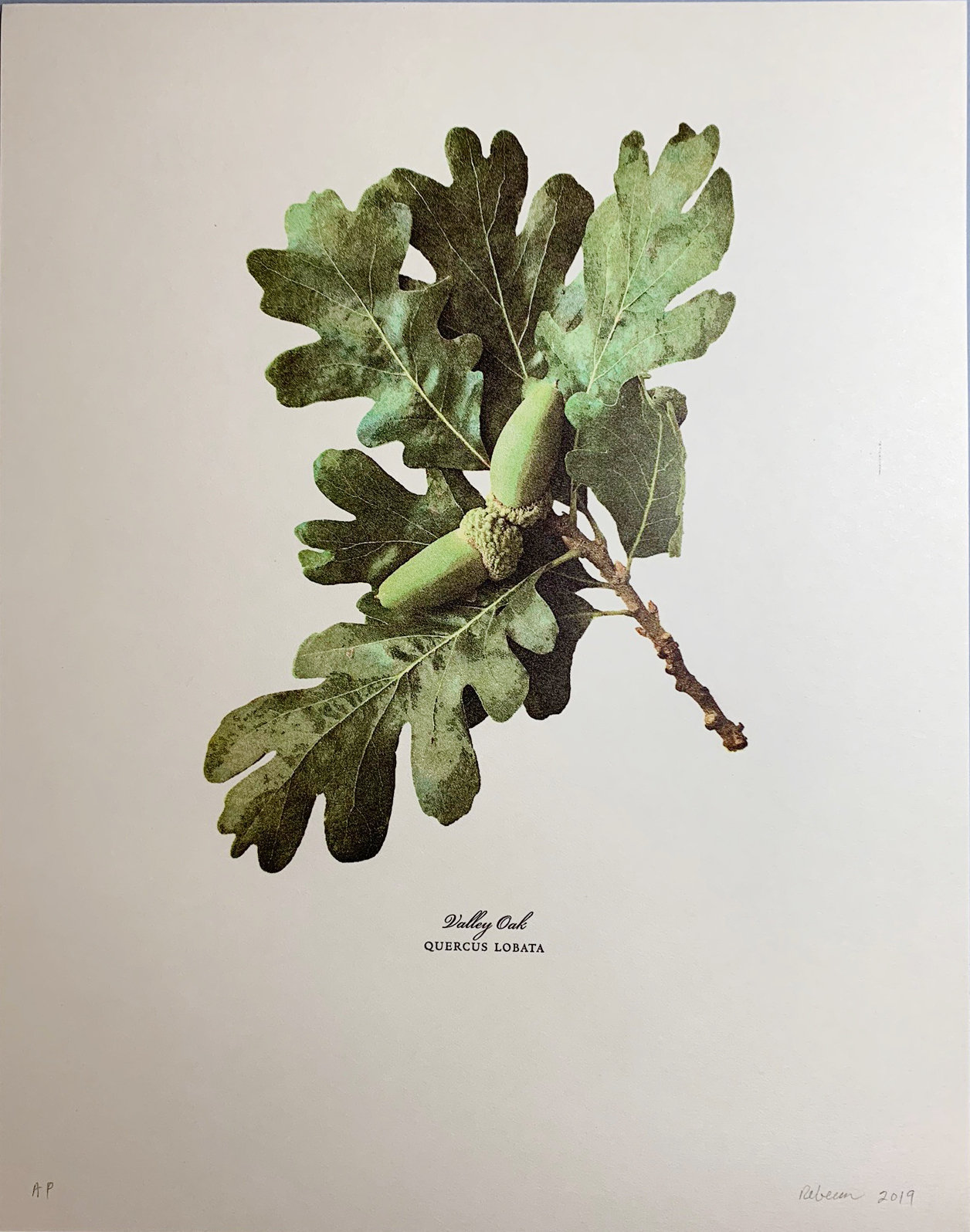
Oak trees, walnuts, and other nut producing species rely heavily on animals for seed dispersal.
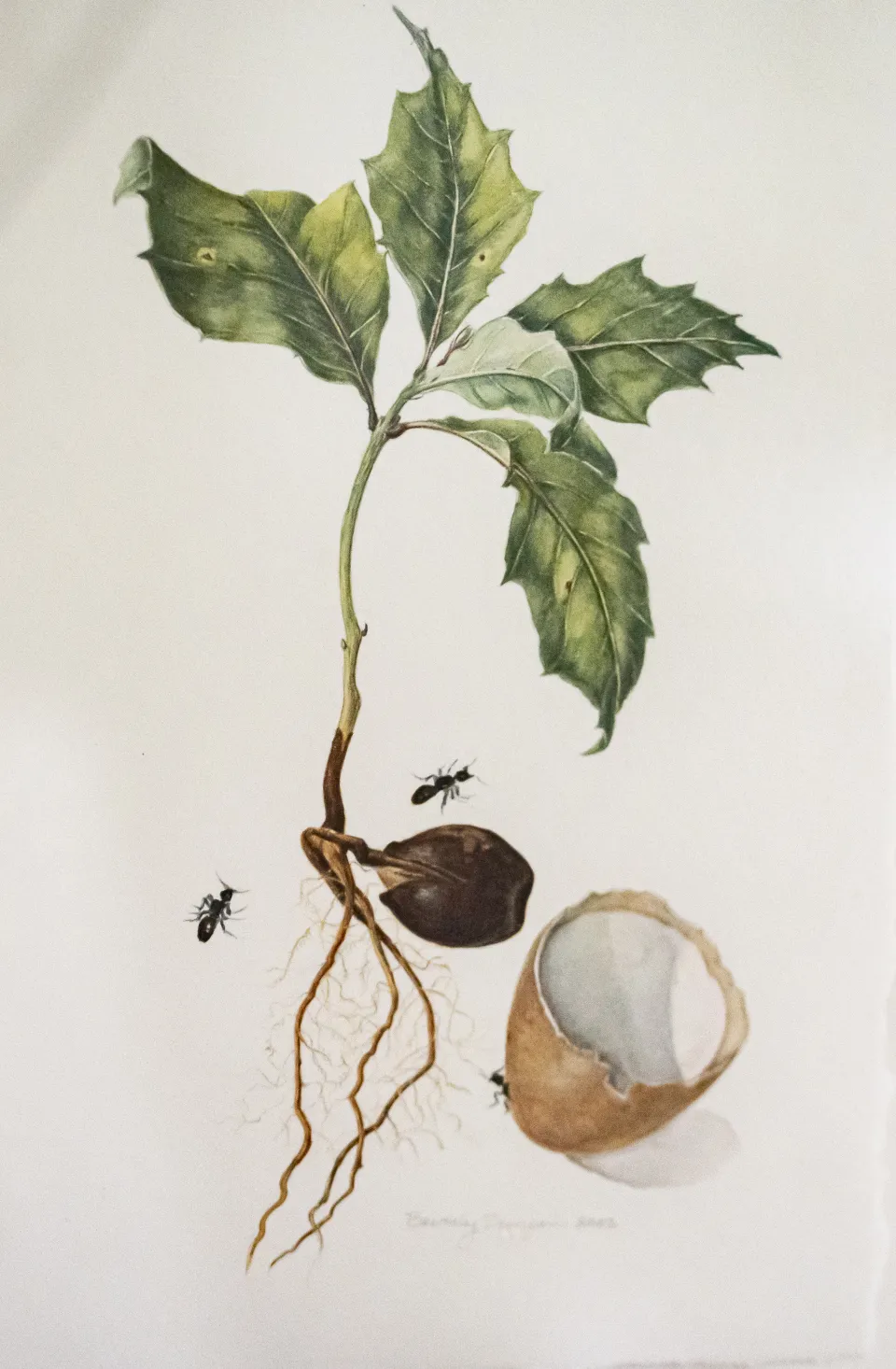
When squirrels bury seeds they place them in soil at almost the perfect depth for germination.
In other words the squirrel performs all required planting steps.
Locate seed
Dig hole
Plant seed
Cover seed
Leave forever
Forest ecologists describe squirrels as important seed dispersers that help expand woodland ecosystems.
The squirrel, meanwhile, believes it is simply storing lunch.
Suspicious Intelligence


4
Researchers have discovered squirrels also demonstrate behavior that suggests a surprising level of strategic thinking.
When squirrels suspect another animal is watching them, they sometimes pretend to bury a nut.
They dig a hole.
Cover it carefully.
Then walk away while secretly keeping the nut in their mouth.
Scientists call this deceptive caching behavior.
Which means squirrels may simultaneously be
Planting forests
Running fake storage sites
And forgetting half their inventory
All at the same time.
The Long Term Result


4
Over decades these forgotten seeds become trees.
Over centuries those trees become forests.
Which leads to a strange ecological conclusion.
Large portions of North American forests may exist partly because squirrels misplace their groceries.
In simplified ecological terms the process looks like this
Acorn
Squirrel
Hole
Forgotten
Tree
Forest
The squirrel did not intend to become a forestry expert.
But it keeps doing the job anyway.
Real Sources
Steele, M. A., and Smallwood, P. D. (2002). Scatter hoarding by tree squirrels and the evolution of seed dispersal. American Zoologist.
Vander Wall, S. B. (1990). Food Hoarding in Animals. University of Chicago Press.
Smithsonian National Zoo and Conservation Biology Institute. Seed dispersal by squirrels and rodents.
The National Wildlife Federation. The role of squirrels in forest regeneration.
 Questionable Facts
Leave a comment